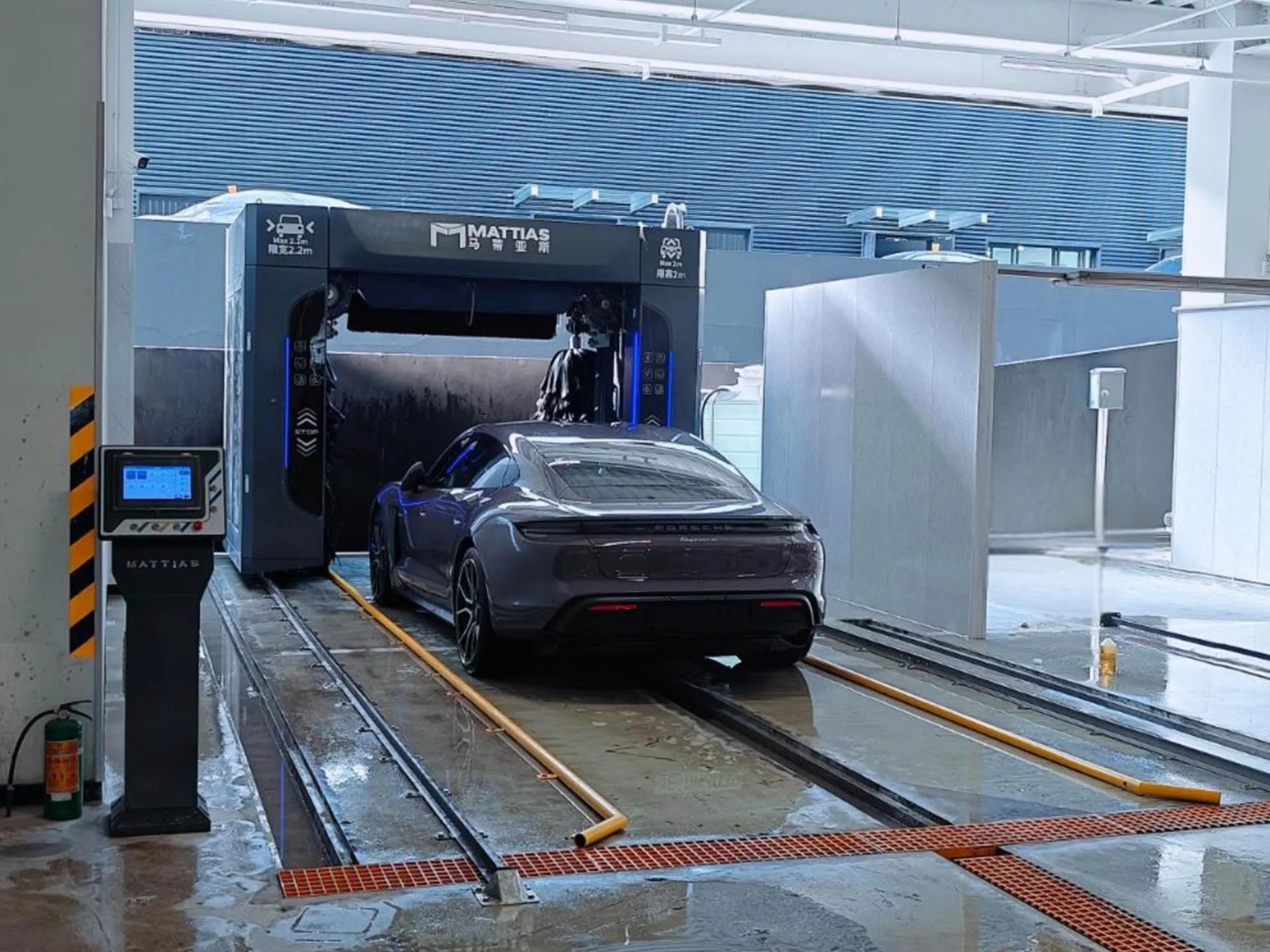
Starting a car wash business can be a rewarding investment, but success depends on more than simply opening the doors. Entrepreneurs need to make smart financial decisions from the beginning to ensure the business remains profitable for years to come. While many people focus on keeping initial expenses as low as possible, long-term success often comes from investing wisely rather than spending the least.
Many aspiring owners begin by asking how much does it cost to start a car wash because understanding startup expenses is the first step toward creating a realistic business plan. The response is contingent upon the business model, location, equipment, and services provided; however, the objective is consistently to achieve the optimal equilibrium between initial investment and future returns.
Build A Realistic Startup Budget
Every successful business begins with a detailed financial plan. Before purchasing equipment or signing a lease, estimate every expected expense. These costs may include land or rental fees, construction or renovations, permits, insurance, utility connections, water treatment systems, washing equipment, payment systems, and marketing.
A realistic budget helps prevent unexpected financial pressure during the early months of operation. It also allows business owners to identify areas where investing more today may reduce maintenance or operating costs in the future.
Invest In Durable Equipment
Choosing the least expensive equipment may reduce startup costs, but it can increase repair expenses and downtime later. Reliable, commercial-grade equipment often lasts longer, performs more efficiently, and requires fewer repairs.
Customers also notice consistent washing quality. Machines that clean vehicles effectively encourage repeat visits, helping build a loyal customer base. Spending wisely on dependable equipment can generate better returns over time than constantly replacing lower-quality alternatives.
Select The Right Location
Location plays a major role in both startup costs and long-term profitability. A premium site may require a larger investment, but higher traffic can significantly increase daily customer volume.
Business owners should evaluate factors such as nearby residential communities, shopping centers, office buildings, and traffic patterns. Easy access, clear visibility, and convenient entrances often contribute more to business success than choosing the lowest cost property.
Design For Operational Efficiency
An efficient layout reduces customer waiting times while allowing employees to work more effectively. Proper vehicle flow minimizes congestion and increases the number of cars serviced each day.
Efficient operations also lower labor costs, reduce water waste, and improve customer satisfaction. Thoughtful facility design becomes a valuable investment that continues generating benefits throughout the life of the business.
Focus On Preventive Maintenance
Regular maintenance protects expensive equipment and prevents unexpected breakdowns. This helps prevent costly emergency repairs and business interruptions by replacing deteriorated parts prior to their failure.
Creating a preventive maintenance schedule extends equipment life while maintaining consistent service quality. Customers appreciate dependable operations, and fewer closures contribute directly to higher annual revenue.
Control Operating Expenses
Long-term profitability depends on managing ongoing expenses as carefully as startup costs. Water consumption, electricity usage, detergents, labor, and maintenance should all be monitored regularly.
Modern water recycling systems and energy-efficient equipment may require larger upfront investments, but they often reduce monthly utility bills substantially. Over several years, these savings can outweigh the initial purchase costs.
Offer Services That Increase Revenue
Basic exterior washing may attract customers, but additional services often generate higher profit margins. Interior cleaning, waxing, ceramic coatings, tire shine, vacuum stations, detailing packages, and monthly memberships provide opportunities to increase average revenue per customer.
Offering service packages encourages customers to spend more while receiving greater value. Diversifying revenue streams also helps stabilize income during slower seasons.
Prioritize Customer Experience
Long-term profit depends on repeat business. Friendly staff, fast service, clean facilities, and consistent washing quality encourage customers to return regularly.
Simple improvements such as clear signage, comfortable waiting areas, digital payment options, and loyalty rewards create positive experiences without dramatically increasing costs. Satisfied customers frequently recommend businesses to friends and family, generating valuable word-of-mouth marketing.
Plan For Future Growth
Rather than building only for current demand, consider future expansion opportunities. Installing infrastructure that supports additional wash bays, vacuum stations, or detailing services can reduce renovation costs later.
Scalable business planning allows owners to respond more easily as customer demand grows. Expanding gradually often proves more affordable than completely redesigning the facility several years after opening.
Balance Spending With Long-Term Value
Every purchasing decision should be evaluated based on long-term return rather than immediate savings. Some expenses produce lasting value by lowering maintenance costs, improving efficiency, attracting more customers, or increasing service quality.
Balancing startup costs with future profitability requires patience, careful planning, and disciplined financial management. Instead of viewing every expense as something to minimize, successful entrepreneurs recognize which investments strengthen the business over time.
Conclusion
Building a profitable car wash business involves making informed financial choices from the very beginning. A well-planned budget, dependable equipment, efficient operations, excellent customer service, and smart long-term investments create a foundation for sustainable growth. While reducing unnecessary expenses remains important, prioritizing quality and operational efficiency often leads to stronger profits in the years ahead. By balancing startup costs with future business goals, owners position themselves for lasting success in an increasingly competitive industry.