Introduction
Vehicle ownership comes with ongoing maintenance and occasional repairs. Whether you’re dealing with a minor scratch, collision damage, engine trouble, or routine servicing, understanding repair costs can help you make informed decisions and avoid unexpected expenses. An automotive repair cost guide provides valuable insights into pricing factors, common repair expenses, and ways to estimate costs before visiting a repair shop.
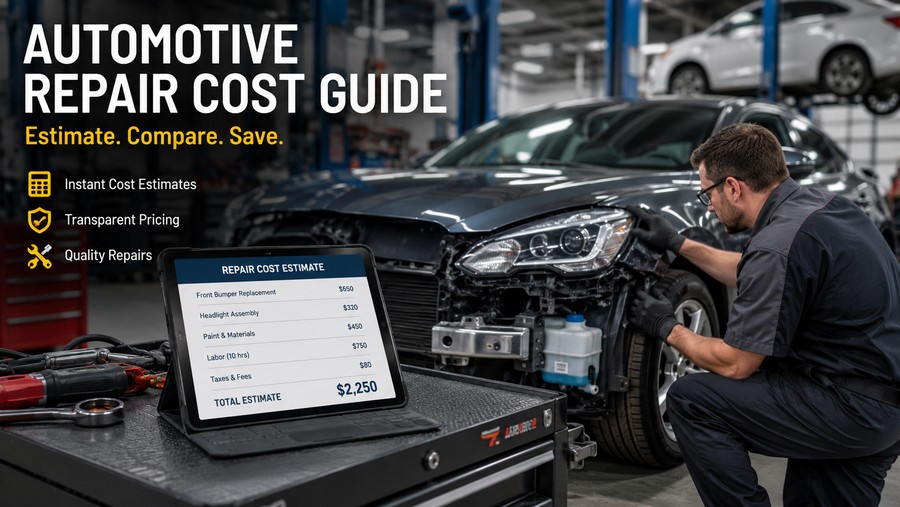
Today, modern tools such as a vehicle repair cost calculator allow drivers to get quick estimates for potential repair work. By understanding what influences repair pricing, vehicle owners can budget effectively and compare service options with confidence.
Why Automotive Repair Costs Vary
Repair costs can differ significantly depending on several factors:
Vehicle Make and Model
Luxury vehicles, imported cars, and newer models often require specialized parts and expertise, increasing repair expenses. A repair on a premium vehicle may cost significantly more than the same repair on a standard sedan.
Type of Damage
Minor cosmetic damage typically costs less than structural or mechanical repairs. Common categories include:
- Paint scratches and dents
- Collision damage
- Engine repairs
- Transmission repairs
- Suspension issues
- Electrical system failures
Labor Rates
Labor charges vary by location and repair facility. Urban repair shops generally have higher hourly rates compared to smaller regional workshops.
Replacement Parts
Costs depend on whether the repair uses:
- Original Equipment Manufacturer (OEM) parts
- Aftermarket parts
- Reconditioned or used parts
OEM parts usually offer the highest quality but come at a premium price.
Average Automotive Repair Costs
Understanding average repair costs helps drivers prepare financially.
| Repair Type | Estimated Cost Range |
|---|---|
| Oil Change | $40–$120 |
| Brake Pad Replacement | $150–$500 |
| Battery Replacement | $100–$400 |
| Dent Repair | $100–$2,000 |
| Windshield Replacement | $200–$1,000 |
| Transmission Repair | $1,500–$5,000 |
| Engine Repair | $2,000–$10,000+ |
| Collision Repair | $500–$20,000+ |
Actual costs vary depending on vehicle specifications and local labor rates.
How a Vehicle Repair Cost Calculator Helps
Modern drivers increasingly use digital estimation tools before scheduling repairs.
A vehicle repair cost calculator (https://presschadeherstel.nl/car-damage-cost-calculator/) helps users:
- Estimate repair expenses quickly
- Compare different repair scenarios
- Plan insurance claims
- Understand potential out-of-pocket costs
- Make informed repair decisions
These calculators are particularly useful after accidents when vehicle owners need a preliminary understanding of repair costs before obtaining professional assessments.
Common Automotive Repairs and Their Costs
Body and Paint Repairs
Bodywork is one of the most common repair categories.
Examples include:
- Bumper repair
- Paint correction
- Dent removal
- Panel replacement
- Scratch repair
The severity of the damage largely determines the final cost.
Brake System Repairs
Brake maintenance is essential for safety.
Typical services include:
- Brake pad replacement
- Rotor resurfacing
- Caliper replacement
- Brake fluid flushing
Regular maintenance helps prevent more expensive repairs later.
Engine and Transmission Repairs
These are among the most expensive vehicle repairs.
Potential issues include:
- Timing belt replacement
- Head gasket failure
- Transmission rebuilds
- Fuel system repairs
Preventive maintenance can significantly reduce the likelihood of major mechanical failures.
Factors That Can Increase Repair Costs
Delayed Repairs
Ignoring small issues often leads to larger, more expensive problems.
For example:
- Small oil leaks can damage engines.
- Worn brake pads can damage rotors.
- Minor collision damage may worsen due to rust.
Advanced Vehicle Technology
Modern vehicles include:
- Advanced Driver Assistance Systems (ADAS)
- Parking sensors
- Cameras
- Radar systems
Repairs involving these technologies typically require calibration and specialized equipment, increasing costs.
Supply Chain Issues
Parts availability can affect repair pricing and completion times. Delays in obtaining components often increase overall repair expenses.
Practical Tips to Reduce Automotive Repair Costs
Follow Preventive Maintenance
Regular servicing helps identify problems before they become costly repairs.
Compare Repair Estimates
Request quotes from multiple repair facilities before authorizing work.
Use Trusted Repair Shops
Choose certified technicians with strong customer reviews and transparent pricing.
Address Damage Quickly
Prompt repairs often prevent additional deterioration and higher costs.
Understand Insurance Coverage
Review your insurance policy to determine what repairs may be covered after accidents.
The Growing Importance of Repair Cost Transparency
According to industry studies, vehicle repair costs have steadily increased over the past decade due to rising labor rates, advanced vehicle technologies, and more expensive replacement parts.
Consumers increasingly expect:
- Digital repair estimates
- Transparent pricing
- Online calculators
- Detailed repair reports
Repair shops that provide clear cost breakdowns help customers make better decisions and build trust.
Frequently Asked Questions
What affects automotive repair costs the most?
Vehicle type, labor rates, replacement parts, and damage severity are the primary factors influencing repair costs.
Are online repair cost calculators accurate?
They provide useful estimates but should not replace professional inspections and official repair quotes.
How much does collision repair typically cost?
Minor collision repairs may cost a few hundred dollars, while major structural damage can exceed several thousand dollars.
Should I repair minor dents immediately?
Yes. Early repairs help prevent corrosion, paint deterioration, and further damage.
Are OEM parts worth the extra cost?
OEM parts generally provide better fit and manufacturer-approved quality, though aftermarket alternatives can sometimes offer good value.
Can preventive maintenance reduce repair expenses?
Absolutely. Routine maintenance significantly lowers the risk of expensive mechanical failures.
Conclusion
Understanding automotive repair costs empowers vehicle owners to make informed decisions, budget effectively, and avoid unnecessary expenses. From routine maintenance to major collision repairs, knowing the factors that influence pricing can help you navigate the repair process with confidence.
For a fast preliminary estimate, consider using a vehicle repair cost calculator (https://presschadeherstel.nl/car-damage-cost-calculator/) before visiting a repair facility. By combining digital estimation tools with professional inspections, you can better manage repair expenses and keep your vehicle in excellent condition for years to come.