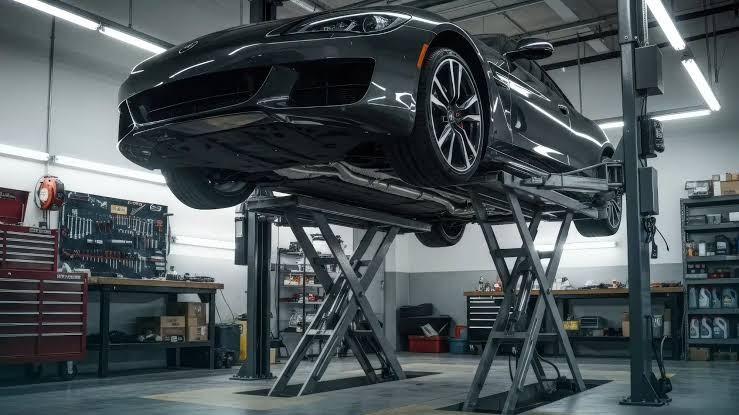
European automobiles are well known for their sophisticated performance, cutting-edge engineering, and opulent driving experience. However, compared to regular car maintenance, maintaining these vehicles often calls for a different strategy. European cars have particular maintenance needs that call for expert care, from complex electrical systems to specific mechanical parts.
By being aware of these distinctions, automobile owners may avoid expensive mechanical issues, make wise judgments, and keep their vehicles in top shape for many years.
Complex Vehicle Systems And Advanced Engineering
The degree of engineering required is one of the primary distinctions between basic vehicle repair and European auto maintenance. Sophisticated technology is often used by European automakers to enhance handling, comfort, fuel economy, and overall driving performance.
These cars could include integrated safety features, computerized steering controls, turbocharged engines, and sophisticated suspension systems. Although these features make driving more enjoyable, they may also increase the difficulty of maintenance.
In order to effectively identify issues and carry out repairs without compromising other parts, technicians working on European cars must have a solid grasp of these systems.
Specialized Diagnostic Tools
In order to monitor engine performance, transmission behavior, brake systems, and other crucial tasks, modern cars mostly depend on electronic control modules. To get comprehensive vehicle information, European cars may need diagnostic equipment that is compatible with the manufacturer.
While typical fault codes may be found using standard diagnostic scanners, certain manufacturer-specific systems may not be fully accessible.
To find mechanical and electrical issues, professional repair shops that specialize in European automobiles often use cutting-edge diagnostic technologies. Owners of vehicles considering specialized maintenance services may find out more about the significance of selecting skilled automotive experts at https://alleuropeanautorepair.com/about-us/.
Instead of only treating outward symptoms, accurate diagnostics assist experts in locating underlying issues.
Requirements For Manufacturer-Specific Maintenance
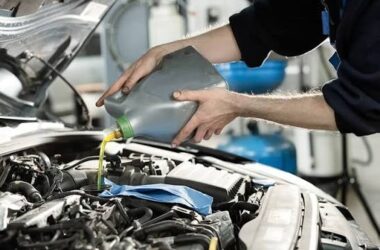
It is common for European cars to have different service requirements and maintenance schedules than other cars. Depending on the technical specifications of the vehicle, manufacturers may suggest certain engine oils, transmission fluids, braking components, and replacement parts.
Performance might be adversely affected, and mechanical damage may result from using incompatible components or the wrong fluids.
For instance, some European engines need lubricants that have been approved by the manufacturer. In a similar vein, many transmission systems have intricate maintenance protocols that need to be strictly adhered to.
Adhering to the manufacturer’s instructions promotes consistent performance throughout the course of the vehicle’s lifetime and helps maintain its dependability.
Increased Focus On Electronic Parts
Modern European cars are heavily reliant on electronic technology. Interconnected sensors and control modules are necessary for features like driving assistance technologies, automatic parking brakes, adaptive cruise control, and sophisticated temperature systems.
An issue that arises in one component may have an impact on other connected systems.
In contrast to simple mechanical fixes, software analysis, electrical testing, and specific technical expertise may be needed to diagnose these problems. Sometimes, in order for new parts to work properly, they must also be calibrated or programmed.
Because of this, technical know-how is particularly important while servicing European automobiles.
Specialized Components And Repair Methods
Replacement components and repair techniques are another significant distinction. Parts made especially for certain models, engines, or production years may be used in European cars.
Maintaining correct functioning requires selecting replacement parts that are compatible. Technical specifications might vary even among seemingly comparable components.
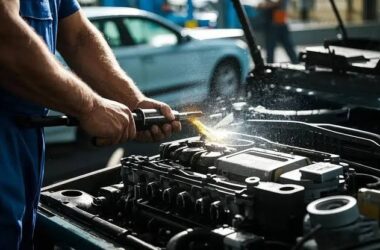
Specialized equipment, exact installation techniques, and extra calibration steps are also needed for certain repairs. Skilled technicians are aware of these specifications and may assist in making sure that repairs adhere to the right standards.
The Value Of Skilled European Auto Technicians
There is more to maintaining a European car than just changing out broken parts. It requires a grasp of the interplay of mechanical, electrical, and software systems.
Selecting a repair shop with suitable expertise may increase the effectiveness and dependability of car maintenance. For instance, information on a Las Vegas car repair shop that emphasizes qualified technicians, diagnostic services, and planned maintenance can be found at https://alleuropeanautorepair.com/about-us/.
Conclusion
Because of its specialized engineering, sophisticated electrical systems, manufacturer-specific requirements, and intricate repair methods, European vehicle maintenance is different from conventional auto repair.
European cars often benefit from specialists who are knowledgeable about their specialized technology and repair requirements, even if many fundamental maintenance concepts apply to all vehicles.
Owners can safeguard their investment and still enjoy the performance, comfort, and dependability that their cars were intended to provide by placing a high priority on routine inspections, suitable replacement parts, precise diagnostics, and expert maintenance.