Diesel cars are renowned for their toughness, fuel economy, and capacity to manage heavy loads. However, because of the distinct systems and parts involved, diesel engine maintenance calls for specific care. Frequent maintenance contributes to dependable operation, increased fuel efficiency, and an extended engine life. Vehicle owners may recognise the importance of preventative maintenance and steer clear of potentially expensive problems by being aware of what occurs during a diesel service.
Examining The Fuel System
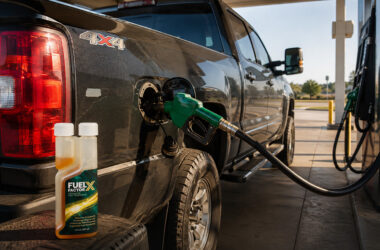
The fuel system is one of the first things examined during a diesel service. For diesel engines to run well, accurate fuel distribution is essential. For indications of wear, pollution, or leakage, technicians examine gasoline lines, fuel filters, fuel pumps, and fuel tanks.
Engine performance may be lowered and fuel flow restricted by a blocked fuel filter. Maintaining an appropriate fuel supply and shielding delicate engine parts from dirt and debris are two benefits of replacing filters at suggested intervals. In diesel automobiles, fuel quality is very crucial; thus, regular inspection is crucial.
Examining Diesel Injectors
Fuel injectors are essential to the combustion process. They provide the engine’s cylinders with precisely the right quantity of gasoline at high pressure. Injectors may become worn out, clogged, or unclean over time.
Technicians check injector function and search for indications of uneven fuel distribution when doing maintenance. Rough idling, heavy smoke, less power, and higher fuel consumption may all result from poor injector performance. Maintaining maximum performance and preventing more significant engine damage are possible with early diagnosis of injector problems.
Assessing The Turbocharger
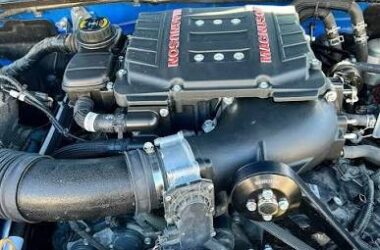
Turbochargers are used in many contemporary diesel cars to increase engine power and efficiency. By compressing incoming air, the turbocharger improves the engine’s ability to burn fuel.
The turbocharger is examined for oil leaks, excessive shaft movement, broken parts, and airflow limitations during a service. In order to make sure they are operating properly, technicians also inspect related hoses and intercoolers.
Fuel efficiency, acceleration, and engine performance are all enhanced by a well-maintained turbocharger.
Analysing The Diesel Particulate Filter (DPF)
Soot particles produced during combustion are collected and stored by the Diesel Particulate Filter, or DPF for short. This approach helps reduce emissions and encourages environmental compliance.
Soot buildup may eventually result in obstructions that impair engine performance. During maintenance, specialists evaluate the DPF’s state and verify that regeneration cycles are taking place as intended.
The DPF may need cleaning or further care if it gets too clogged. Frequent checks help avoid costly replacement costs, decreased engine power, and warning lights.
Evaluating The EGR (Exhaust Gas Recirculation) System
The exhaust gas recirculation system is another essential component of modern diesel engines. By recirculating certain exhaust gases back into the engine, the EGR system contributes to the reduction of nitrogen oxide emissions.
Carbon accumulation may occur in the EGR valve and associated passages over time. This buildup might hinder airflow and lower engine efficiency.
Technicians check the EGR system for leaks, obstructions, and indications of malfunction during maintenance. Reducing emissions and increasing fuel economy are two benefits of keeping an EGR system clean and operational.
The Value Of Expert Diesel Maintenance
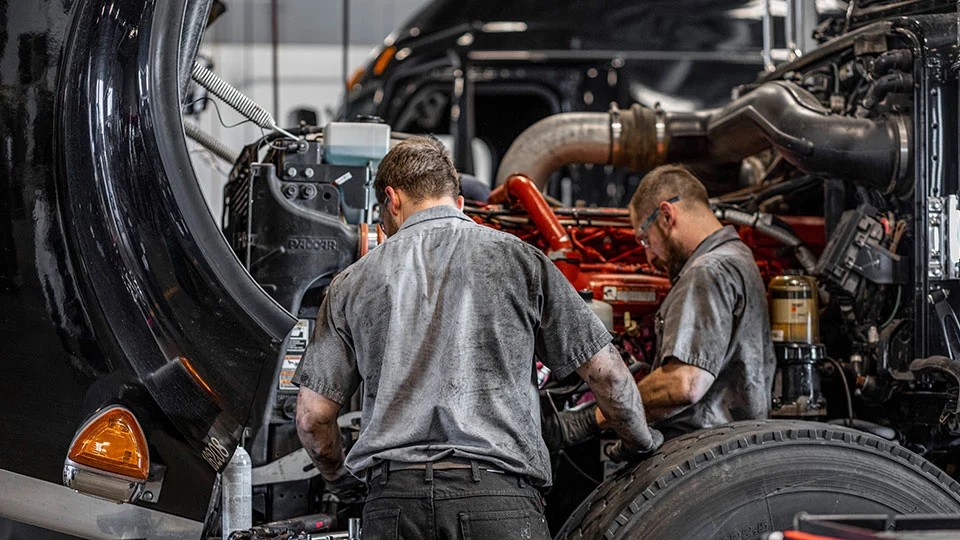
When maintaining contemporary diesel automobiles, the knowledge of a diesel car mechanic is quite beneficial. Specialised systems found in diesel engines need to be carefully inspected and accurately diagnosed. Frequent maintenance by a licensed diesel car mechanic ensures dependable operation and lowers the possibility of unplanned breakdowns by spotting problems before they become severe.
Keeping An Eye On The Engine Management System
Electronic control systems play a major role in modern diesel automobiles. The engine management system continually keeps an eye on a number of sensors and modifies engine performance in response to operating circumstances.
Diagnostic equipment is used as part of a service to look for error codes and find possible problems that the driver may not be able to see yet. Fuel pressure, airflow, emissions, temperature, and turbocharger function sensors are often examined.
These diagnostic tests enable experts to see emerging issues early on and suggest fixes before significant malfunctions happen.
Examining Lubrication And Engine Oil Systems
Diesel engines run at high temperatures and pressures. Internal component protection and wear reduction depend on proper lubrication.
An oil change and an examination of the lubrication channels and oil filters are usually included in a service. Additionally, technicians search for indications of leaks, strange consumption patterns, or oil pollution.
Fresh oil promotes the engine’s lifetime, preserves engine efficiency, and shields moving parts.
Final Thoughts
A standard oil change is just one aspect of a complete diesel service. Important systems, including fuel delivery parts, injectors, turbochargers, DPFs, EGR systems, lubrication systems, and engine control electronics, are inspected by technicians. Frequent maintenance prolongs the vehicle’s life, improves fuel economy, lowers emissions, and maintains performance. Owners of diesel vehicles may benefit from reliable performance and prevent many of the expensive damages linked to neglected maintenance by being proactive with their service.